Maasai Mara
Lion, cheetah, leopard and the migration. Peak July–October; green season January–March is quieter and better value.
See safaris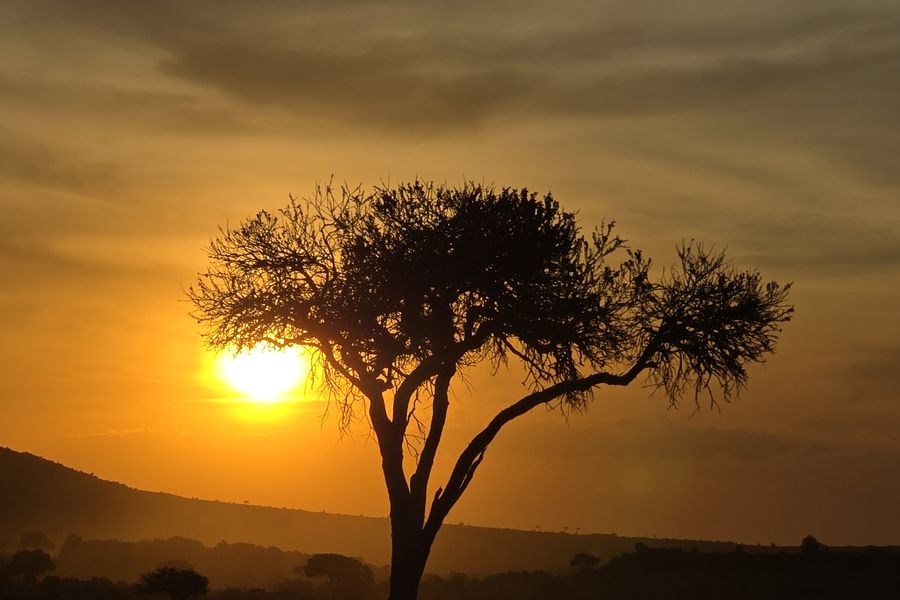
Where we travel
We keep the list short on purpose. These are the parks and coastlines our guides know in detail, including which month changes everything.
Start with a country
Kenya is easier to combine with a beach and a short trip. Tanzania is bigger, wilder in places, and the crater is unmatched. Most people who can, do both.
Kenya
Kenya is where a safari is easiest: one international flight, good internal connections, and parks that sit within a day's drive of Nairobi. The Mara in July, Amboseli in January, and the Rift Valley lakes in between.
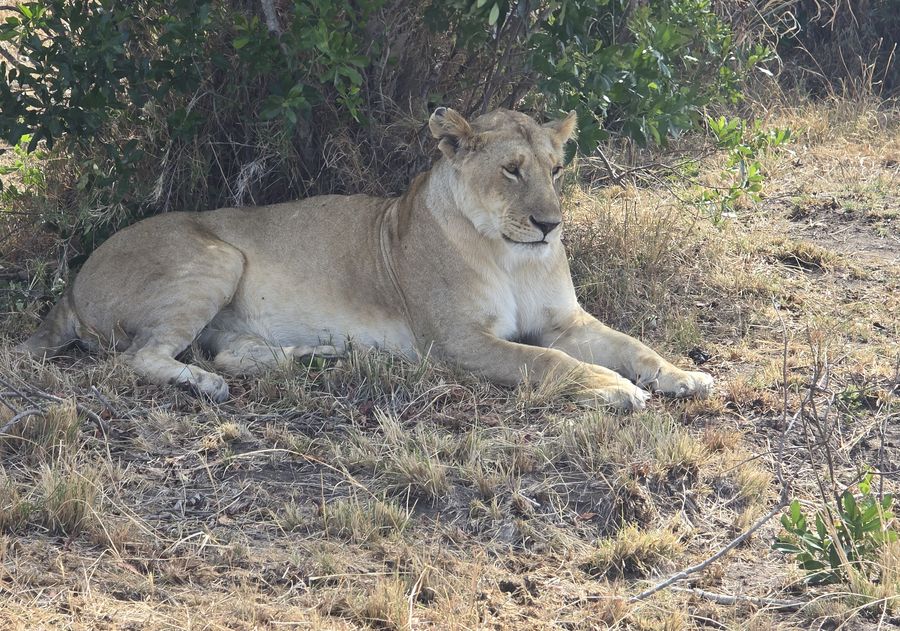
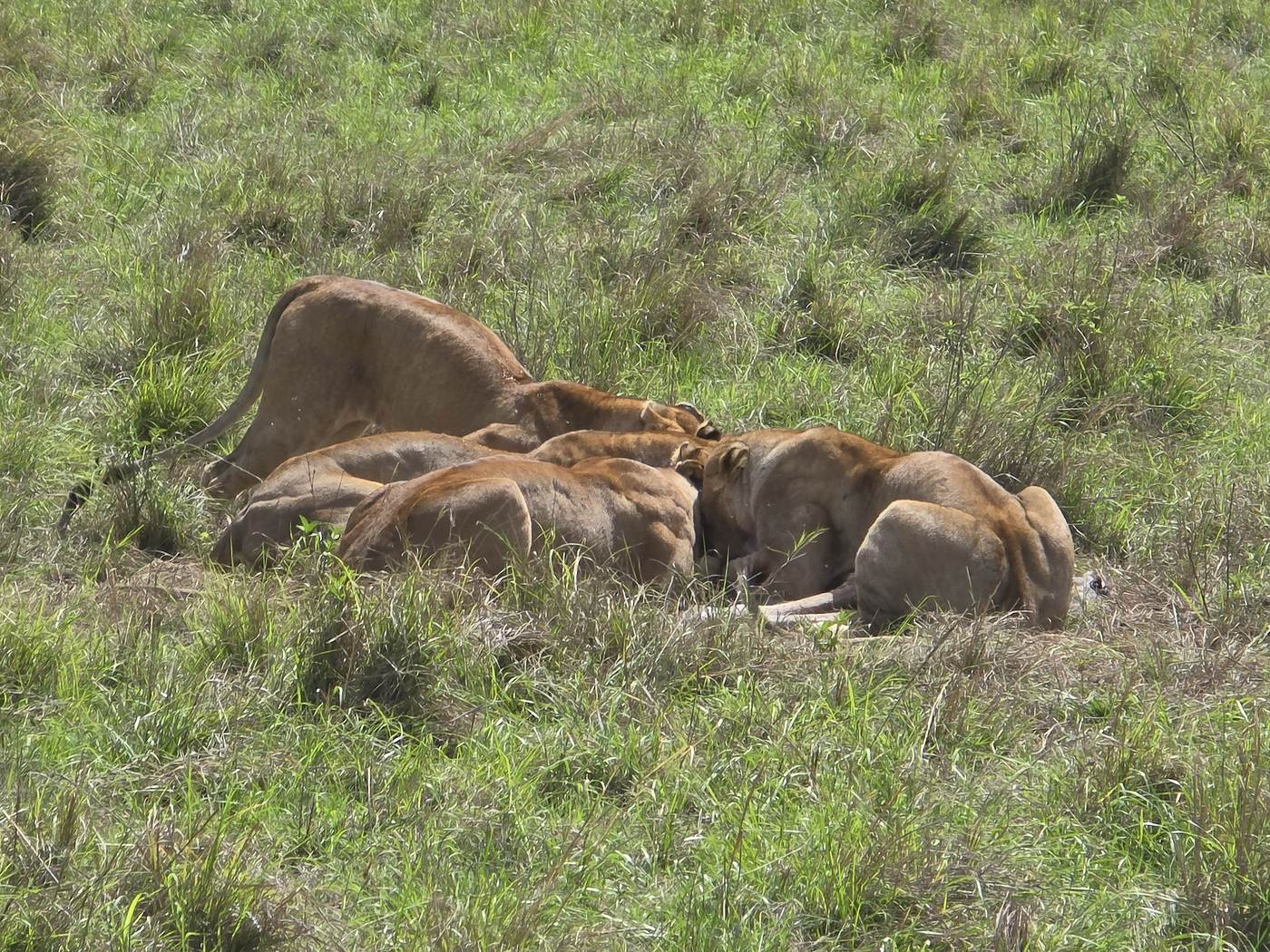
Kenya's best big-cat country, and the northern end of the migration. Go July–October for the herds, January–March for fewer vehicles.
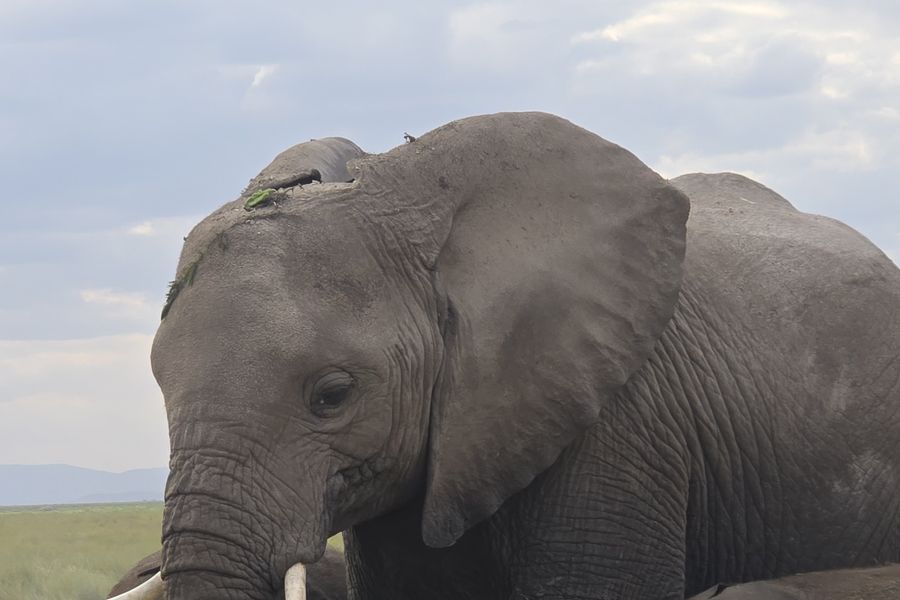
The classic postcard: elephant families crossing the swamps with Kilimanjaro behind. Closest big park to Nairobi.
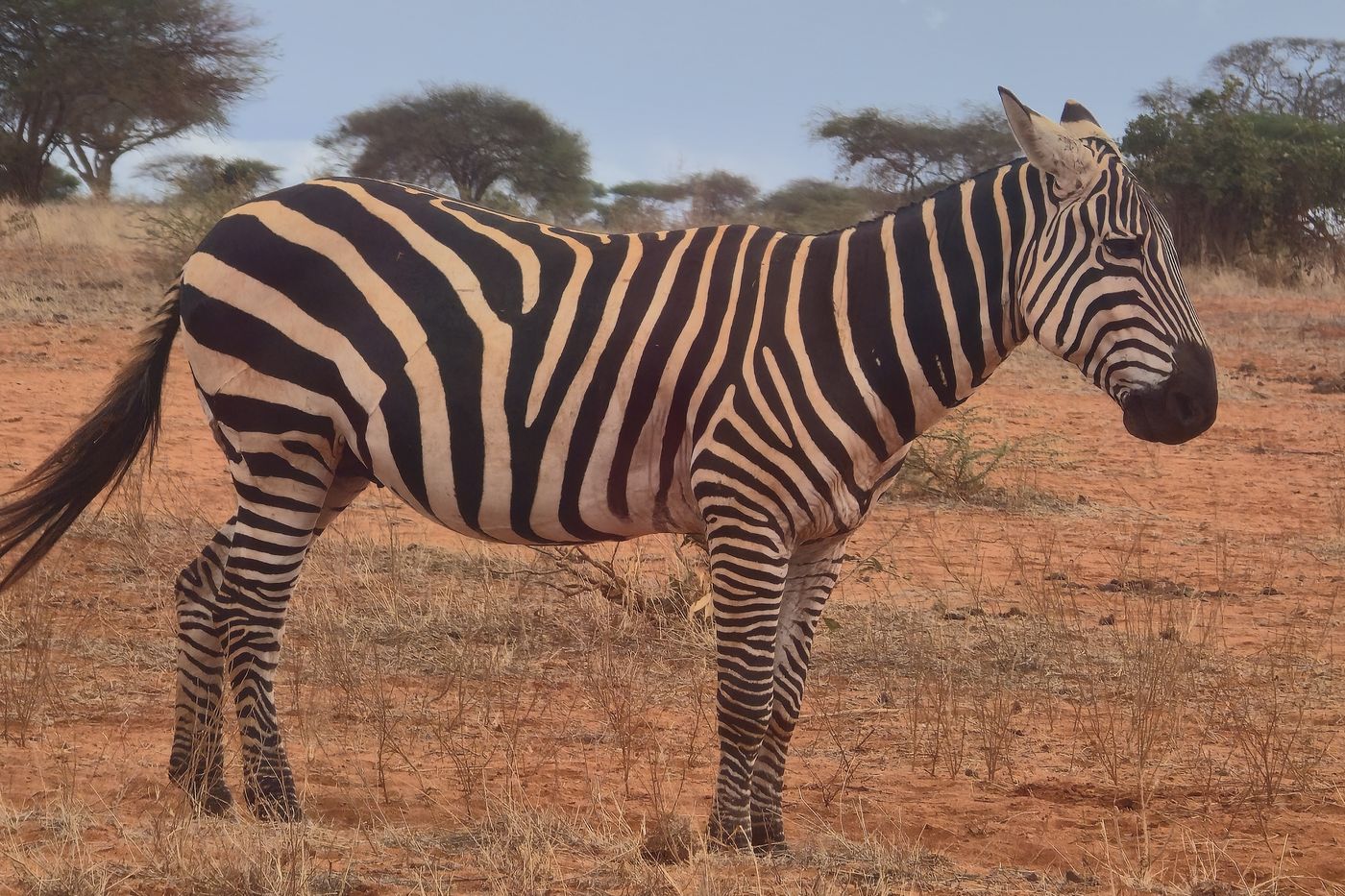
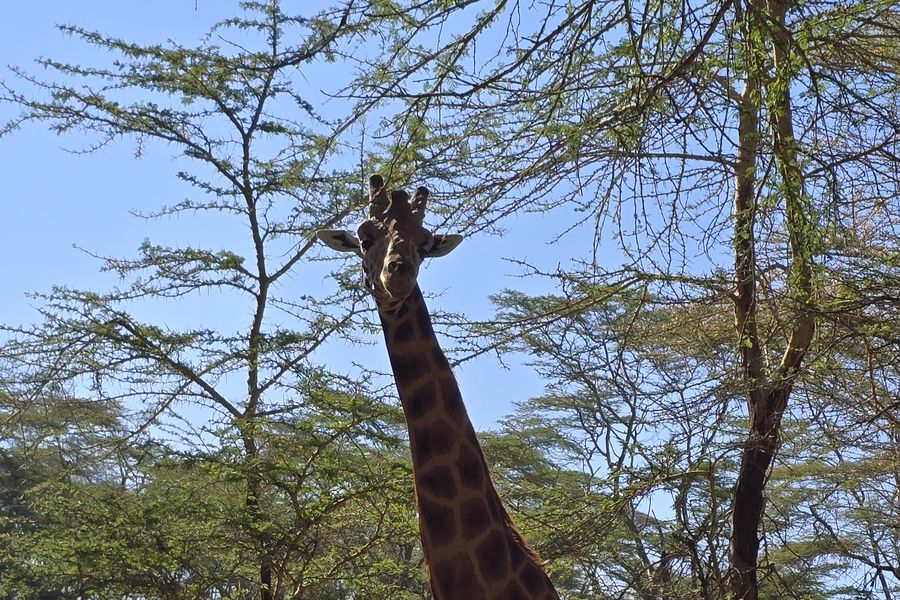
Rhino and Rothschild's giraffe at Nakuru, then a boat morning among hippos and fish eagles on Naivasha. An easy two-night link between the Mara and Amboseli.
Dry-country species you won't see in the Mara: Grevy's zebra, reticulated giraffe, gerenuk. Plus conservancies where walking and night drives are allowed.
Lion, cheetah, leopard and the migration. Peak July–October; green season January–March is quieter and better value.
See safarisBig-tusker elephants and Kilimanjaro views. Clear mountain mornings are most likely June–October.
See safarisFenced park, high rhino density, and flamingo when the water is right. A reliable half-way stop.
See safarisHot, dry and full of species found nowhere else on the circuit. Best June–October.
Plan a Samburu tripWhite sand, reef and direct flights from the Mara. The easiest beach add-on to a Kenyan safari.
Plan a beach add-onTanzania
The Serengeti is bigger than most people expect, so we build in enough nights to actually be there rather than pass through. Ngorongoro is a full day, not an hour, and Zanzibar is a 90-minute flight from Arusha.
Endless plains, kopjes full of leopard, and the migration moving north from June. We stay inside the park, not on the rim road.
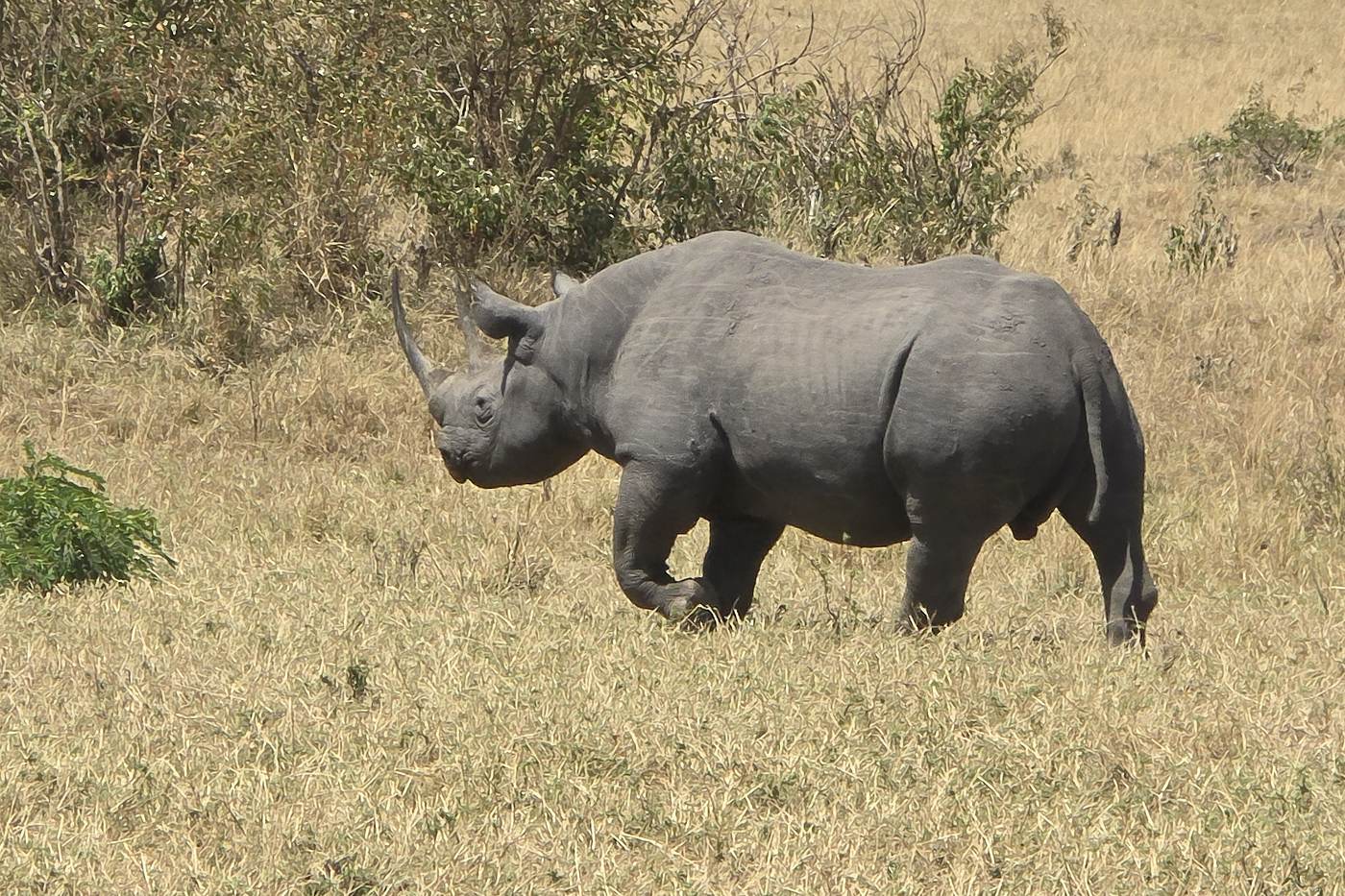
A collapsed volcano holding grassland, forest and a soda lake. Black rhino are the prize; the crater floor deserves a full day.
Baobabs, river valleys and huge elephant herds in the dry season. The best first or last stop on a northern circuit.
Stone Town, spice farms and the Indian Ocean. Three nights is the sweet spot after a safari.
Migration in the north July–October, calving on the southern plains January–March. Central Seronera is good year-round.
See safarisYear-round. Early descent beats the vehicle traffic and catches the cats still hunting.
See safarisBest June–October when the herds gather at the river. Quiet, beautiful, and often underestimated.
See safarisDry and bright June–October, hot and clear December–February. Avoid the long rains in April and May.
See safarisCrossing the border
The Mara and the Serengeti are the same landscape with a line through it. We plan the crossing at Isebania or Namanga, prepare the vehicle permits in advance, and keep the same standard of guide on both sides.
Bring a passport with at least six months' validity and check visa requirements for both countries before you fly. Some nationalities need an East Africa tourist visa, others two separate e-visas.
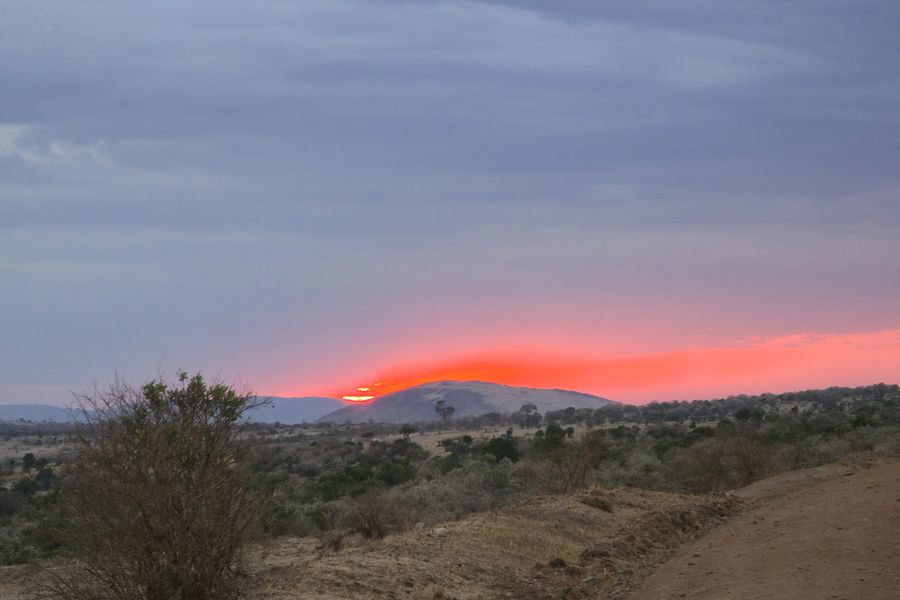
See the two-country itinerary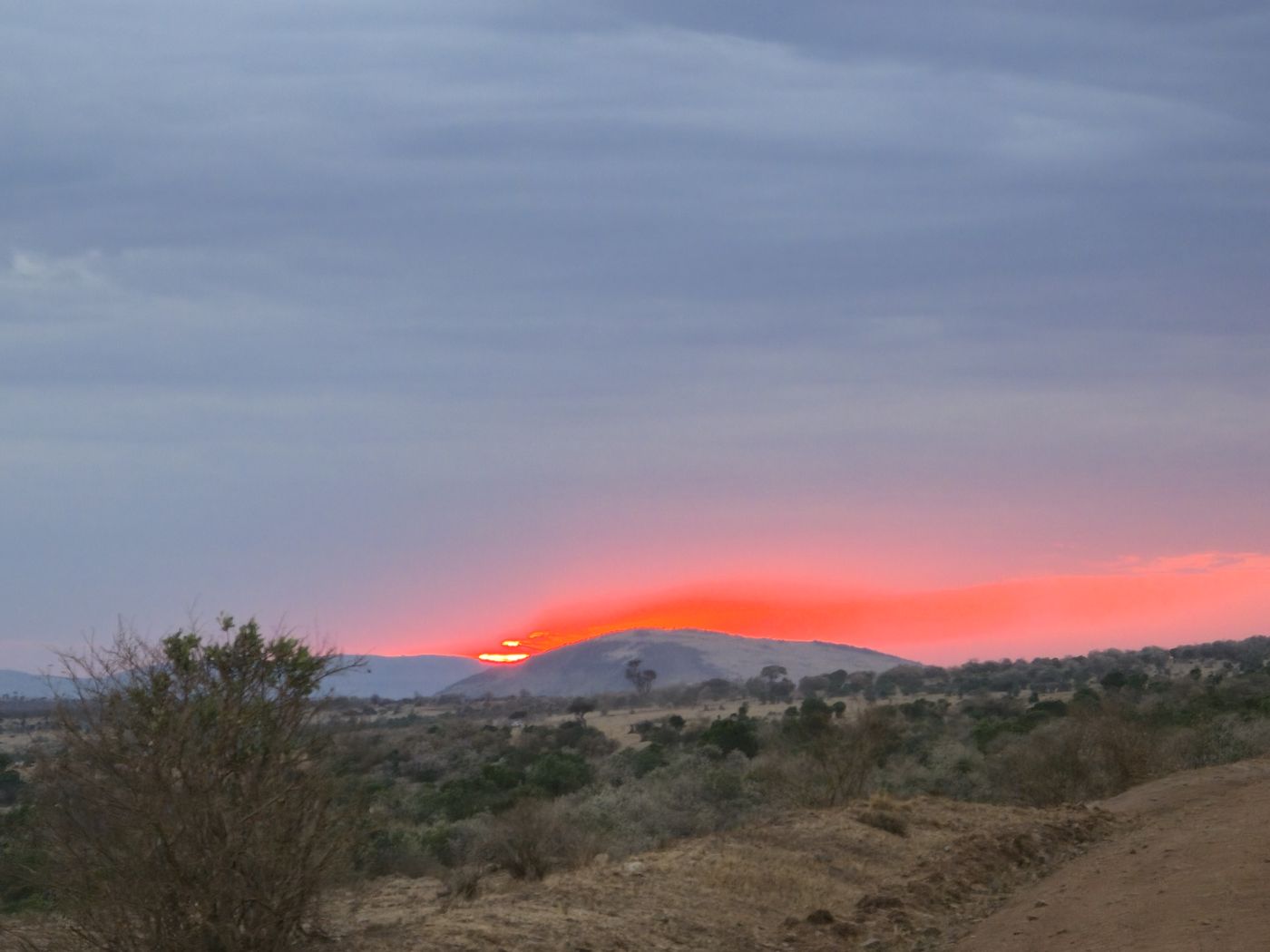 Evening on the plains
Pick two, we’ll do the rest
We’ll tell you honestly whether the route works in the time you have, and what we would change.